How to Avoid the #1 Reasons for a Failed Appointment

Welcome back to Notary Prep School! If you've been following along, you already know the basics of what a notary does and when you need one. Now it's time for the real talk: the two biggest reasons notary appointments fall apart.
Spoiler alert, it's almost always about ID problems or witness confusion.
We've seen it happen countless times. Someone schedules a mobile notary appointment, we drive out to meet them in Provo or Draper, and then… their driver's license expired three years ago. Or they thought their college ID would work. Or they didn't realize their real estate document needed a witness signature, and now we're stuck trying to track down a neighbor who's home on a Saturday afternoon.
Here's the good news: these issues are 100% preventable. With a little prep work, your notary appointment in Utah County or Salt Lake County can be smooth, quick, and stress-free. Let's break it all down.
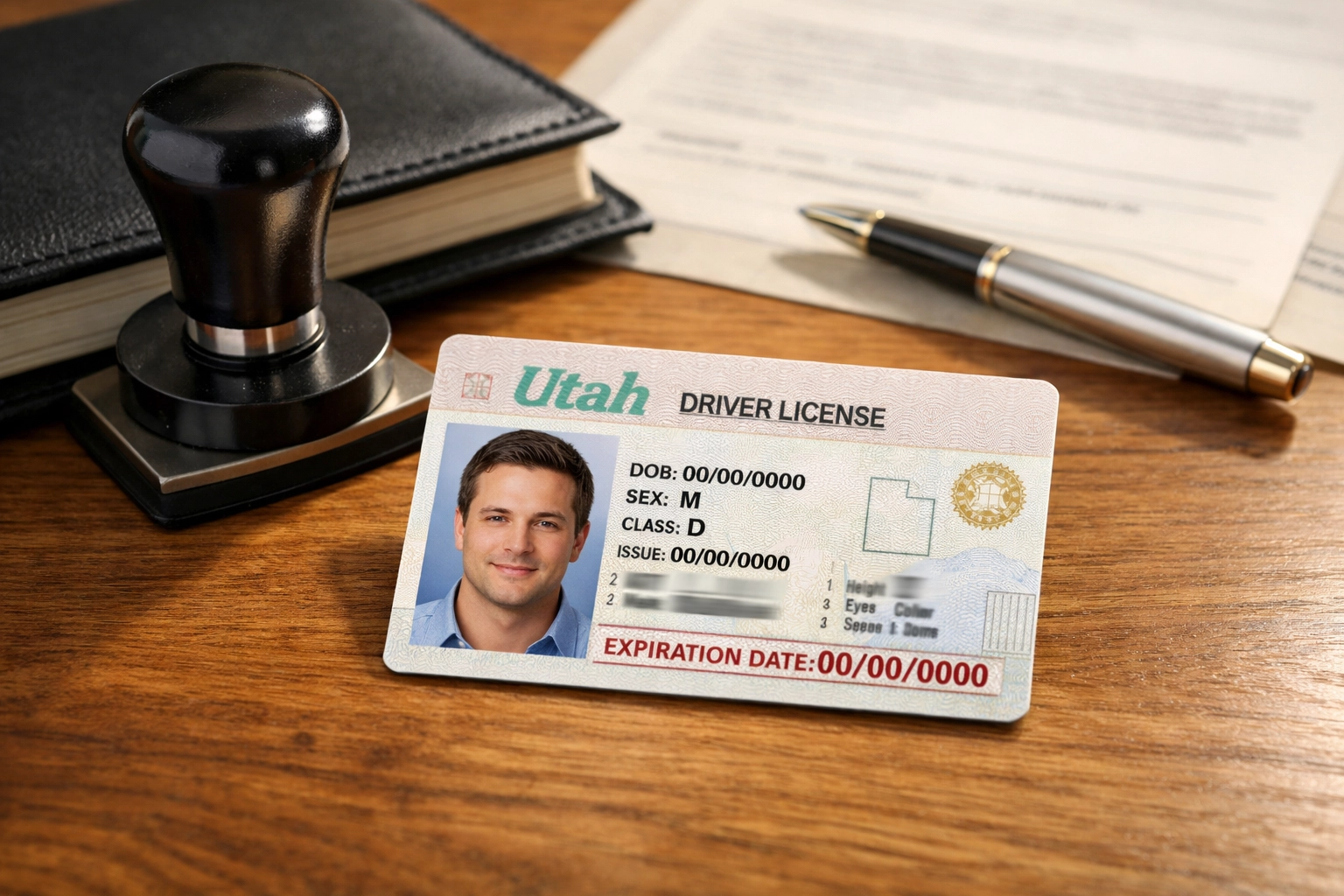
Let's start with the big one: your identification. Before a Utah mobile notary can notarize your signature, we're legally required to verify your identity. No exceptions. Even if we've met you before, even if you seem trustworthy, even if your grandma vouches for you, we need proof.
Acceptable identification must include:
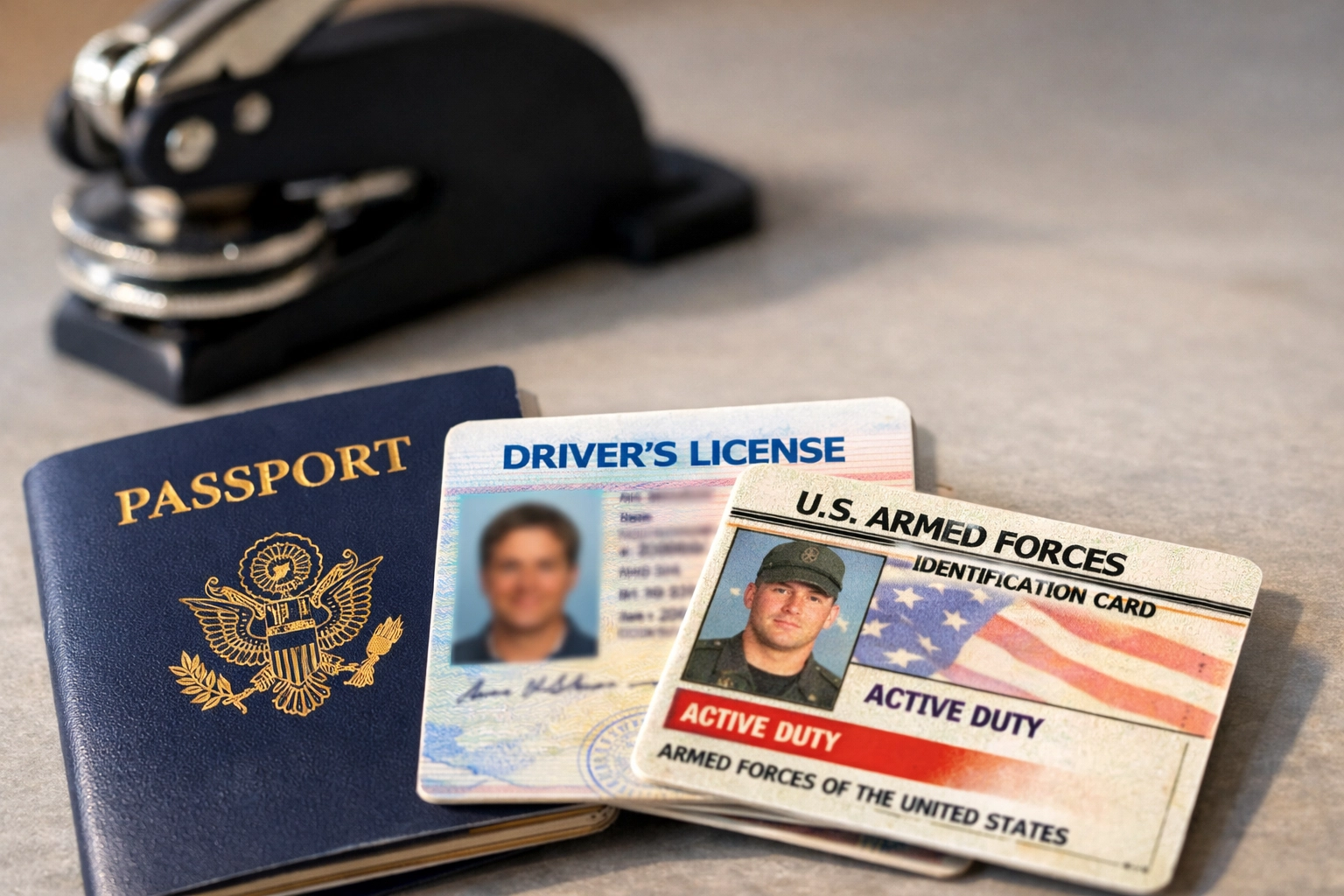
Most people use a driver's license or state ID card, which works perfectly. But here are some other options that typically meet Utah notary ID requirements:
Important note: Some documents or agencies have stricter ID requirements. For example, real estate closings and I-9 verifications often require specific forms of ID. Always check with the organization requesting the notarization if you're unsure.
We're going to level with you: expired IDs are the #1 appointment killer. If your driver's license expired more than five years ago, we legally cannot use it to verify your identity. It doesn't matter if you "just haven't gotten around to renewing it yet" or if you still look exactly like your photo. The law is the law.
Other ID problems we see all the time:
Your social security card or birth certificate won't work because they don't include your picture.
If your driver's license is cracked, water-damaged, or the photo is peeling off, we may not be able to accept it.
If your ID is in a language other than English, we may need additional documentation or a certified translation.
We need to see and handle the physical, original ID. A photo of your driver's license on your phone doesn't count (though digital driver's licenses issued by the state may be acceptable, this is still evolving in Utah).
Before your appointment, take 30 seconds to check your ID. Is it current? Is it in good condition? Is the photo clear? If the answer is no, handle it now, not five minutes before the notary shows up.
Here's a scenario: You've been working with the same attorney for 10 years. You see each other every week. You attended their kid's graduation party. In this case, that attorney (if they're also a notary) might be able to notarize your signature based on personal knowledge instead of requiring ID.
Personal knowledge means the notary genuinely and clearly knows who you are. Not "I think I've seen you before" or "You look familiar." We're talking about an established, ongoing relationship where the notary can confidently confirm your identity without question.
For most mobile notary appointments with American Notary Services, LLC, we're meeting you for the first time. That means personal knowledge won't apply, and you'll need to bring acceptable ID. But it's good to know this option exists if you're working with a notary you already know well.
Okay, so what happens if you don't have acceptable ID? Maybe your wallet was stolen, or your passport is being renewed, or your driver's license expired and the DMV appointment is three weeks out.
Enter the credible witness.
A credible witness is someone who personally knows you and can vouch for your identity under oath. In Utah, this is a legitimate way to verify identity for notarization, but there are strict rules.
Here's how it works:
One credible witness who is personally known to the notary and personally knows you (the signer).
Two credible witnesses who are not known to the notary, but who each personally know you. Both witnesses must provide their own acceptable ID.
The credible witness(es) will need to sign a sworn written statement confirming:
Important: The credible witness cannot be a party to the transaction or have any financial stake in the document being notarized. So if you're buying a house, your real estate agent can't serve as your credible witness.
Using a credible witness Utah notary option takes extra time and coordination, so if you know in advance that you'll need this, give us a heads-up when you schedule your appointment. We'll walk you through the process and make sure everything is handled correctly.

Now let's talk about a different kind of witness: document witnesses. This gets confusing because "witness" means two different things in the notary world:
someone who vouches for your identity
someone who watches you sign the document and then signs it themselves
Some documents require witness signatures in addition to notarization. This is especially common with:
The number of witnesses required (usually one or two) depends on the document type and sometimes the state where it will be used. The notary is not automatically a witness. If your document needs witness signatures, you'll need to bring your own witnesses to the appointment: and they also need to provide acceptable ID.
If you're not sure whether your document needs witnesses, check with the organization or attorney who prepared it before your appointment. Don't assume the notary will know. We can tell you what's typical, but we can't give legal advice about your specific document.
Ready to ace your notary appointment? Here's your go-to checklist:
(or expired less than five years ago)
(clear photo, readable text, no major wear)
(acknowledgment, jurat, copy certification, etc.)
(and arrange for them if needed)
(and let your notary know in advance)
for any blank spaces that need to be filled in before signing
(all parties must appear in person for notarization)
(check our website for current rates)
Following this checklist will save you time, money, and the frustration of a rescheduled appointment.
At American Notary Services, LLC, we provide mobile notary services throughout Utah County and Salt Lake County, seven days a week by appointment. Whether you're in Vineyard, Alpine, Draper, or anywhere in between, we'll come to you: and we'll make sure you're fully prepped before we arrive.
Have questions about Utah notary ID requirements or whether your document needs witnesses?
Give us a call at 801-462-0388 or visit our contact page to schedule your appointment. We're here to make the notarization process as simple and stress-free as possible.
Disclaimer: Notary requirements can vary depending on the type of document and the agency or institution requesting notarization. This article provides general guidance for Utah notary services and is not legal advice. When in doubt, consult with the organization requiring notarization or a licensed attorney.
Let us help you prepare for a smooth, stress-free notarization. Our mobile notary services come to you anywhere in Utah County or Salt Lake County.
Next up in Notary Prep School: We'll tackle the question everyone asks: "Can a notary translate a document written in a foreign language?" Stay tuned for Thursday's post where we break down the difference between translation services and notarization, and what to do when you need both.