Expert guidance and helpful information about notary services in Utah
Book NowWe do not have a public office. All notary services are provided as mobile appointments where we come to your location. Please do not visit any address listed online — we serve clients exclusively through our mobile notary service throughout Utah County and Salt Lake County.

Welcome back to Notary Prep School! If you've been following along, you already know the basics of what a notary does and when you need one. Now it's time for the real talk: the two biggest reasons notary appointments fall apart.
Spoiler alert, it's almost always about ID problems or witness confusion.
We've seen it happen countless times. Someone schedules a mobile notary appointment, we drive out to meet them in Provo or Draper, and then… their driver's license expired three years ago. Or they thought their college ID would work. Or they didn't realize their real estate document needed a witness signature, and now we're stuck trying to track down a neighbor who's home on a Saturday afternoon.
Here's the good news: these issues are 100% preventable. With a little prep work, your notary appointment in Utah County or Salt Lake County can be smooth, quick, and stress-free. Let's break it all down.
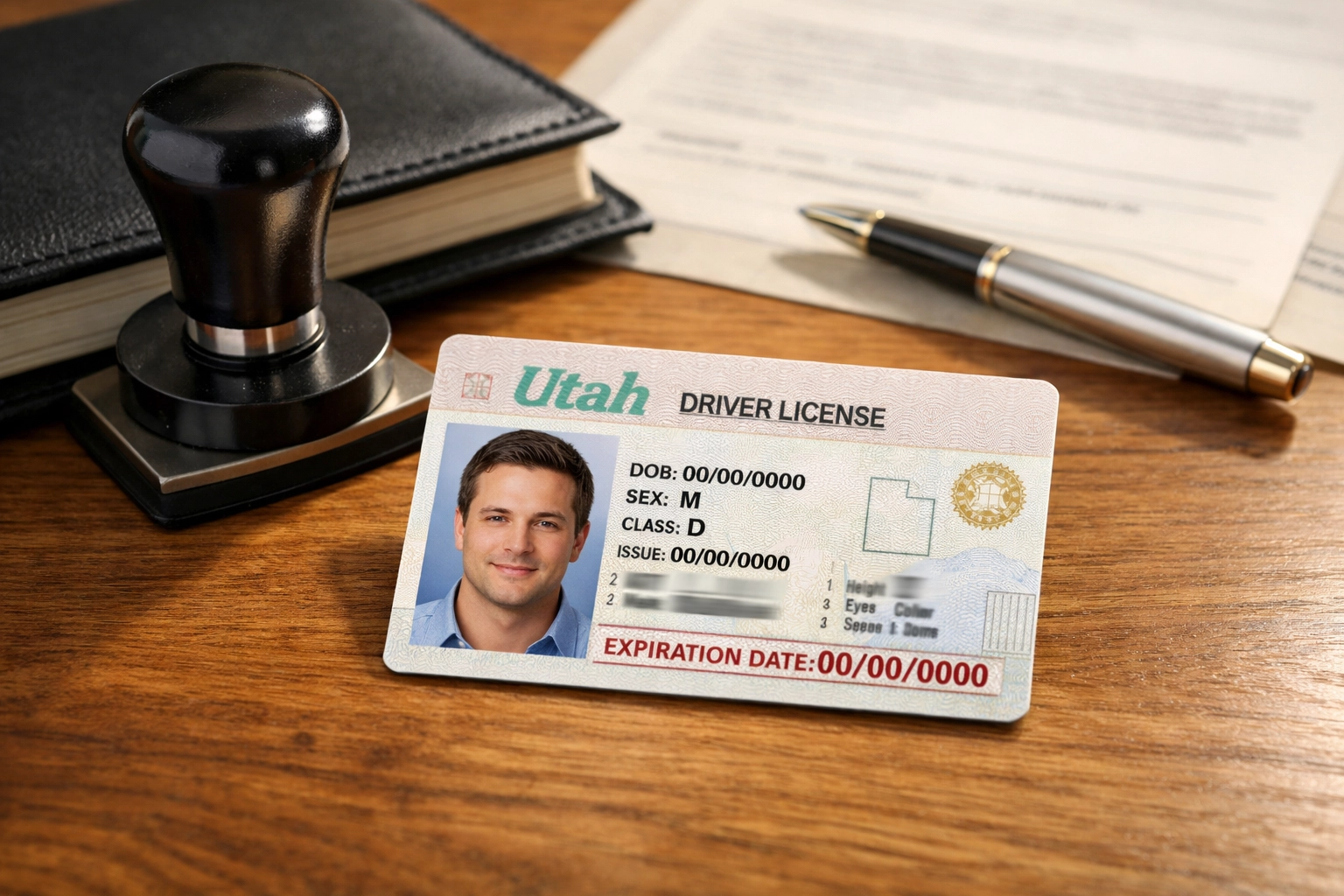
Let's start with the big one: your identification. Before a Utah mobile notary can notarize your signature, we're legally required to verify your identity. No exceptions. Even if we've met you before, even if you seem trustworthy, even if your grandma vouches for you, we need proof.
Acceptable identification must include:
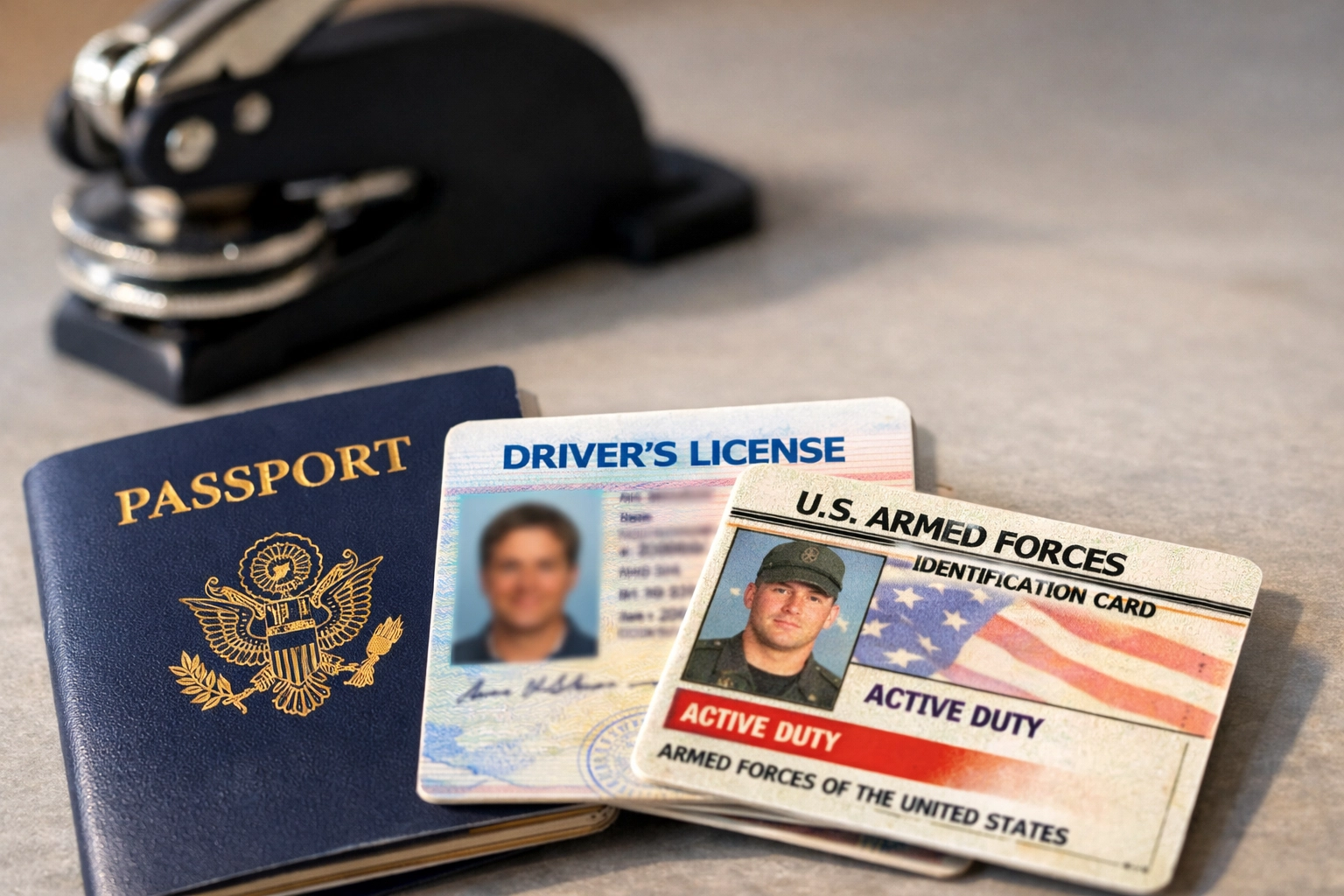
Most people use a driver's license or state ID card, which works perfectly. But here are some other options that typically meet Utah notary ID requirements:
Important note: Some documents or agencies have stricter ID requirements. For example, real estate closings and I-9 verifications often require specific forms of ID. Always check with the organization requesting the notarization if you're unsure.
We're going to level with you: expired IDs are the #1 appointment killer. If your driver's license expired more than five years ago, we legally cannot use it to verify your identity. It doesn't matter if you "just haven't gotten around to renewing it yet" or if you still look exactly like your photo. The law is the law.
Other ID problems we see all the time:
Pro tip: Before your appointment, take 30 seconds to check your ID. Is it current? Is it in good condition? Is the photo clear? If the answer is no, handle it now, not five minutes before the notary shows up.
Here's a scenario: You've been working with the same attorney for 10 years. You see each other every week. You attended their kid's graduation party. In this case, that attorney (if they're also a notary) might be able to notarize your signature based on personal knowledge instead of requiring ID.
Personal knowledge means the notary genuinely and clearly knows who you are. Not "I think I've seen you before" or "You look familiar." We're talking about an established, ongoing relationship where the notary can confidently confirm your identity without question.
For most mobile notary appointments with American Notary Services, LLC, we're meeting you for the first time. That means personal knowledge won't apply, and you'll need to bring acceptable ID. But it's good to know this option exists if you're working with a notary you already know well.
Okay, so what happens if you don't have acceptable ID? Maybe your wallet was stolen, or your passport is being renewed, or your driver's license expired and the DMV appointment is three weeks out.
Enter the credible witness.
A credible witness is someone who personally knows you and can vouch for your identity under oath. In Utah, this is a legitimate way to verify identity for notarization, but there are strict rules.
Here's how it works:
Option 1: One credible witness who is personally known to the notary and personally knows you (the signer).
Option 2: Two credible witnesses who are not known to the notary, but who each personally know you. Both witnesses must provide their own acceptable ID.
The credible witness(es) will need to sign a sworn written statement confirming:
Important: The credible witness cannot be a party to the transaction or have any financial stake in the document being notarized. So if you're buying a house, your real estate agent can't serve as your credible witness.
Using a credible witness Utah notary option takes extra time and coordination, so if you know in advance that you'll need this, give us a heads-up when you schedule your appointment. We'll walk you through the process and make sure everything is handled correctly.

Now let's talk about a different kind of witness: document witnesses. This gets confusing because "witness" means two different things in the notary world:
Some documents require witness signatures in addition to notarization. This is especially common with:
The number of witnesses required (usually one or two) depends on the document type and sometimes the state where it will be used. The notary is not automatically a witness. If your document needs witness signatures, you'll need to bring your own witnesses to the appointment: and they also need to provide acceptable ID.
Pro tip: If you're not sure whether your document needs witnesses, check with the organization or attorney who prepared it before your appointment. Don't assume the notary will know. We can tell you what's typical, but we can't give legal advice about your specific document.
Ready to ace your notary appointment? Here's your go-to checklist:
Following this checklist will save you time, money, and the frustration of a rescheduled appointment.
At American Notary Services, LLC, we provide mobile notary services throughout Utah County and Salt Lake County, seven days a week by appointment. Whether you're in Vineyard, Alpine, Draper, or anywhere in between, we'll come to you: and we'll make sure you're fully prepped before we arrive.
Have questions about Utah notary ID requirements or whether your document needs witnesses? Give us a call at 801-462-0388 or visit our contact page to schedule your appointment. We're here to make the notarization process as simple and stress-free as possible.
Disclaimer: Notary requirements can vary depending on the type of document and the agency or institution requesting notarization. This article provides general guidance for Utah notary services and is not legal advice. When in doubt, consult with the organization requiring notarization or a licensed attorney.
Next up in Notary Prep School: We'll tackle the question everyone asks: "Can a notary translate a document written in a foreign language?" Stay tuned for Thursday's post where we break down the difference between translation services and notarization, and what to do when you need both.
Find helpful resources organized by category

Complete prep guide for Utah families: learn what documents to prepare, IDs needed, common mistakes to avoid, and what to expect when the notary arrives.
Essential guide to advance directives, medical power of attorney, living wills, and HIPAA authorizations for healthcare planning.

Discover how our healthcare background as an LPN and Respiratory Therapist shapes our precision-focused mobile notary services in Utah County and Salt Lake County.
Avoid closing delays and funding issues with this simple checklist of the most common signing-day mistakes—and how to prevent them.
Learn the key differences between acknowledgments and jurats, two common types of notarization in Utah, and understand which one your document requires.
Getting a document notarized shouldn't be complicated. Discover the essential checklist of exactly what you need to ensure a smooth notarization appointment.
A comprehensive guide for remote workers on how to complete their Form I-9 employment eligibility verification with a mobile notary.
Learn when documents require notarization, how to identify requirements, and avoid delays or rejected paperwork.
Essential guide about child travel consent forms and why families get denied boarding when traveling internationally.
A comprehensive comparison guide for Utah businesses choosing between mobile and traditional notary services.
Discover how mobile notary services help healthcare workers, legal professionals, and busy Utah professionals save time.
A comprehensive guide explaining what happens at the loan signing appointment with a mobile notary and key documents.
Utah notary fees are capped by state law. Learn what you'll pay, what affects pricing, and how to get an accurate quote.
Discover 7 same-day mobile notary solutions that save you time and bring professional notarization to your doorstep.
Complete guide to the types of documents we can notarize in Utah and Salt Lake County, including legal and real estate paperwork.
Try adjusting your search or filters
Our most popular articles and guides to help you navigate notary services
Learn the key differences between acknowledgments and jurats, and understand which type of notarization your document requires.
Complete checklist of everything you need to bring to your notarization appointment for a smooth and successful experience.
Comprehensive guide to acceptable forms of identification for notarization in Utah.
Learn about the most common errors people make during notarization and how to prevent them.
Can't find what you're looking for? Contact us directly and we'll be happy to answer any questions about notary services.